Introduction
In the world of electrical infrastructure—spanning data centers, utility grids, and industrial plants—selecting the correct power cable is a decision that dictates both safety and long-term operational costs. For procurement managers and engineers, the most frequent comparison lies between Low Voltage (LV) power cables and Medium Voltage (MV) cables.
While both serve the fundamental purpose of power transmission, they are engineered for vastly different electrical stresses, insulation requirements, and installation environments. Choosing incorrectly can lead to catastrophic insulation failure, voltage drops, or prohibitive project delays.
This guide breaks down the technical and commercial differences between LV and MV cables to ensure your next procurement cycle is both accurate and cost-effective.
What Is Low Voltage (LV) Power Cable?
Low Voltage power cables are the workhorses of the “last mile” in power distribution. They are typically utilized after the main transformer to deliver power to end-use equipment, lighting systems, and building networks.
Primary Application Areas:
Commercial complexes and residential building power.
Industrial machinery and control panels.
Data center low voltage distribution and server rack power.
General infrastructure and lighting circuits.
While LV cables are generally easier to handle and install, buyers must still strictly match the conductor material and insulation type to the specific current-carrying capacity of the project.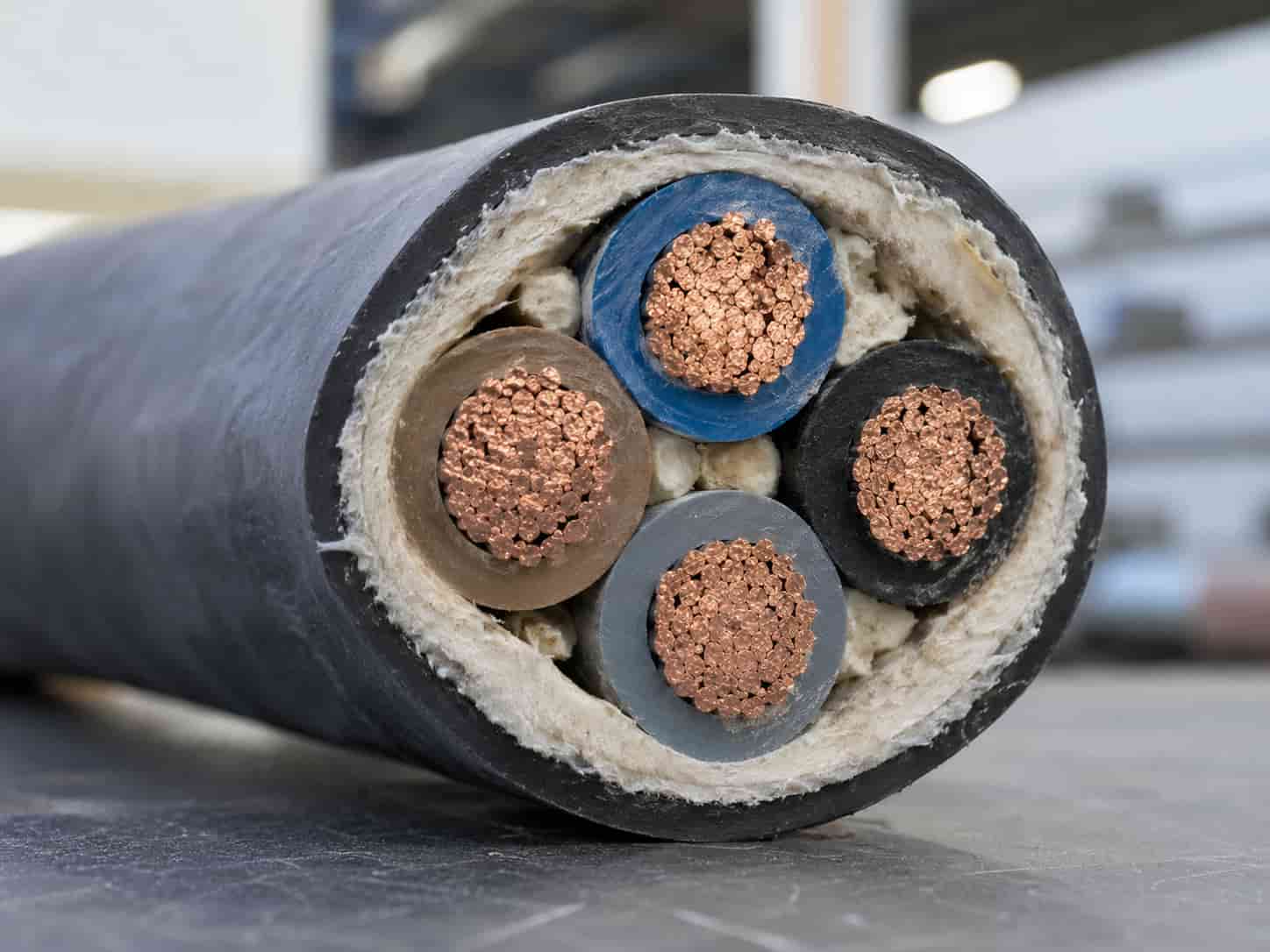
What Is Medium Voltage (MV) Cable?
Medium Voltage cables are designed for the “backbone” of power infrastructure. Operating at much higher electrical stress, these cables require sophisticated shielding and robust insulation—most commonly Cross-Linked Polyethylene (XLPE).
Primary Application Areas:
Utility power grids and primary substations.
Renewable energy projects (Wind and Solar farms).
Mining operations and heavy-duty industrial parks.
Primary power feeds for massive data center campuses.
MV cables are highly regulated. According to the International Electrotechnical Commission (IEC), MV cable construction must include semi-conductive screens to manage electrical field stress—a feature not found in standard LV cables.
Key Technical Differences: At a Glance
| Feature | Low Voltage (LV) Cable | Medium Voltage (MV) Cable |
| Typical Range | Up to 1kV (1000V) | 3.6kV up to 35kV |
| Structure | Simple: Conductor + Insulation + Sheath | Complex: Includes Conductor & Insulation Screens |
| Insulation | PVC or XLPE | Predominantly high-grade XLPE |
| Complexity | Standard installation | Requires specialized jointing and termination |
| Project Risk | Moderate (Local equipment level) | High (System-wide infrastructure level) |
5 Factors Buyers Must Confirm Before Sourcing
1. Specific Voltage Ratings
“Medium Voltage” is a broad term. Buyers must specify the exact rated voltage (e.g., 6/10kV or 18/30kV). Using a cable with insufficient voltage rating for an MV system will lead to immediate insulation breakdown.
2. Conductor Material: Copper vs. Aluminum
Copper: The gold standard for reliability and conductivity. Best for space-constrained data centers and critical industrial plants.
Aluminum: A lightweight, cost-effective alternative. It is the preferred choice for utility grid infrastructure and long-distance runs where weight and budget are primary concerns.
3. Armoring and Mechanical Protection
Will the cable be buried directly in the ground, or installed in a protected cable tray?
Armored (SWA/STA): Essential for underground, mining, or areas with high mechanical risk.
Unarmored: Suitable for indoor conduits and controlled electrical rooms.
4. Environmental Resistance
Specify if the installation environment requires additional protection, such as:
Flame Retardant (FR) or Low Smoke Zero Halogen (LSZH).
Anti-termite or anti-rodent sheathing for tropical infrastructure.
UV resistance for outdoor solar projects.
Avoiding Common Sourcing Pitfalls
Many procurement delays occur because buyers request a “standard” price without technical specifics. To get an accurate, export-ready quotation from a supplier like RichingPower, avoid these mistakes:
Assuming appearance equals performance: LV and MV cables may look similar in diameter but have vastly different internal shielding.
Ignoring Local Standards: Ensure the cable meets the specific standard of the destination country (e.g., IEC, BS, or UL).
Neglecting Testing Documentation: Always request Type Test Reports and Technical Datasheets before finalizing a purchase.
Why Partner with RichingPower?
At RichingPower, we specialize in bridge-building between complex engineering requirements and global supply chains. We support EPC contractors, utility providers, and industrial engineers with:
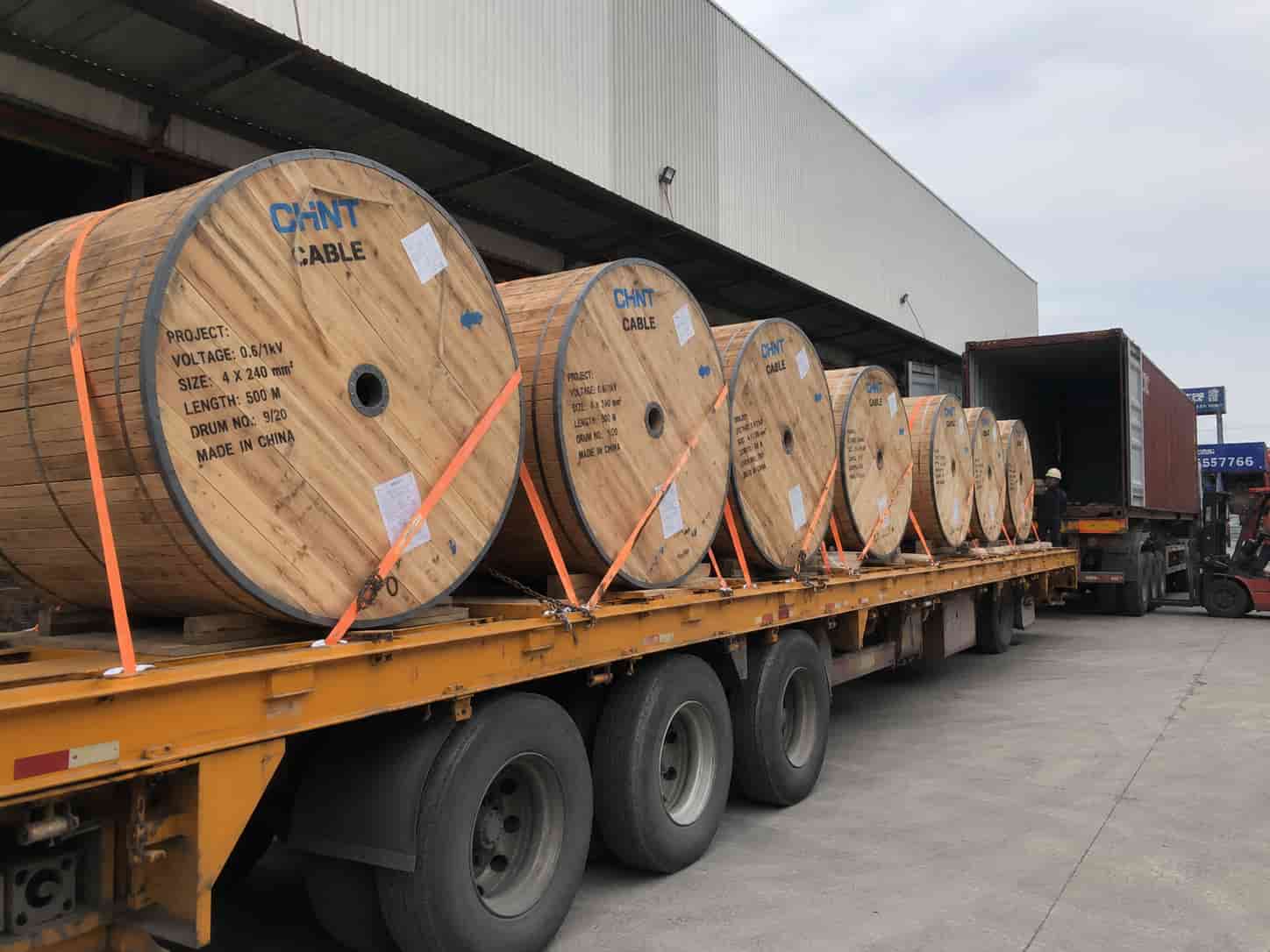
Comprehensive Inventory: From 0.6/1kV LV cables to 35kV MV solutions.
Technical Consultation: Assistance in cable selection based on voltage drop and environmental factors.
Export Excellence: Full documentation support for international infrastructure projects.
Need a Quote for Your Next Infrastructure Project? Contact RichingPower today with your technical specifications, and our team will provide a comprehensive proposal tailored to your project’s voltage and environment requirements.