Introduction
As energy prices remain volatile across Northern Europe, solar power has transitioned from an “eco-friendly choice” to a strategic financial asset for Scandinavian businesses. In 2026, while some direct consumer subsidies are tapering off, new industrial grants and EU-backed funding programs are creating massive opportunities for large-scale energy users.
For commercial buyers, EPC contractors, and industrial developers, understanding the shift from “mass subsidies” to “strategic funding” is critical to calculating ROI. This guide breaks down the latest 2026 solar landscape in the Nordics.
Sweden: Transitioning to a Market-Driven Model
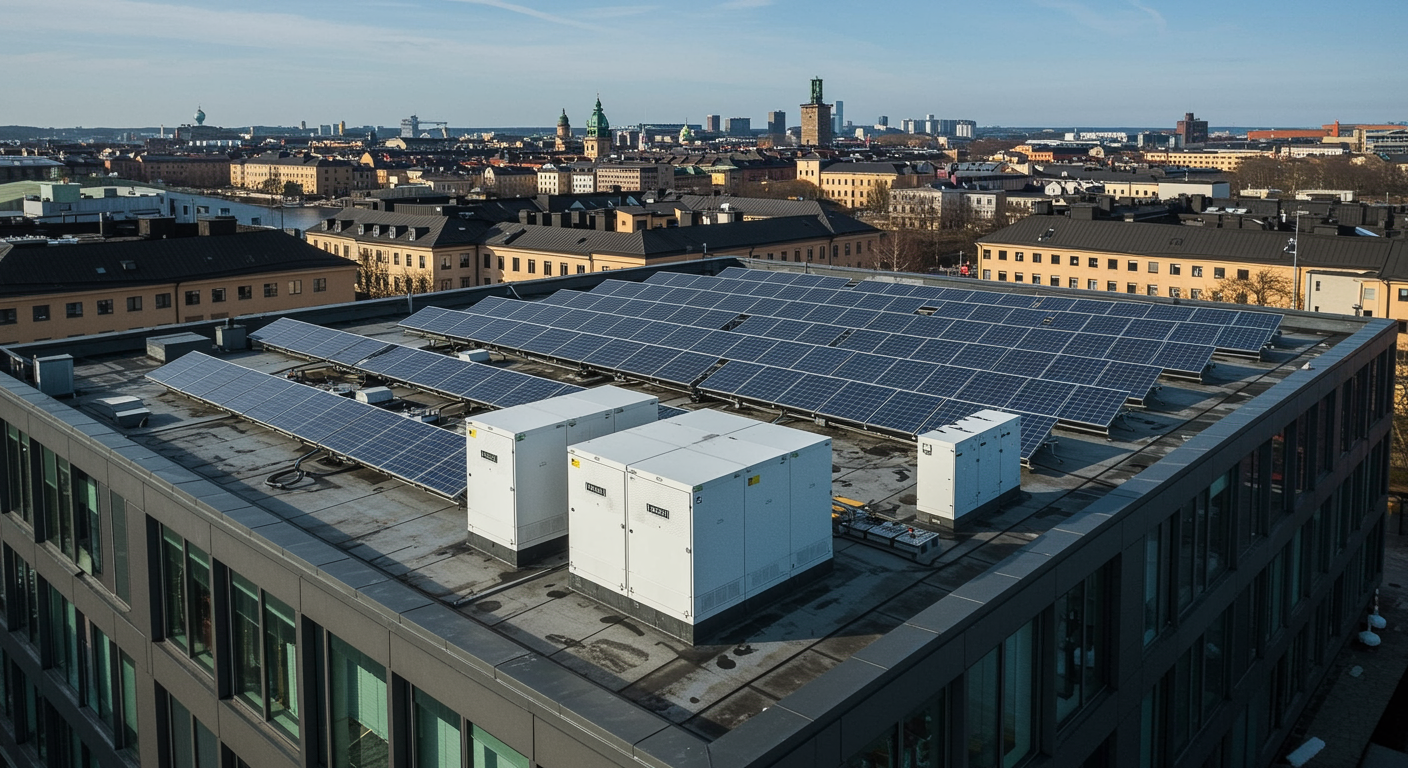
Sweden’s solar market has reached a level of maturity where government support is now focused on energy stability rather than just panel installation.
1. Green Technology Tax Deduction (Grön Teknik): As of 2026, the deduction for solar PV has stabilized at 15% (down from previous years), while Battery Storage remains at 50%.
Note: This applies to labor and material costs. For B2B projects, ensure your contractor is F-tax (F-skatt) approved to qualify for these structures.
2. Expiration of the 60-öre Tax Credit: Crucially, the 0.60 SEK/kWh tax credit for surplus energy injected into the grid expired on January 1, 2026.
3. The Rise of “Prosumer” Efficiency: With the tax credit gone, the ROI now depends heavily on Self-Consumption. This makes Smart Energy Management Systems (EMS) and industrial-scale batteries essential for Swedish commercial projects.
Norway: Innovation & Industrial Grants
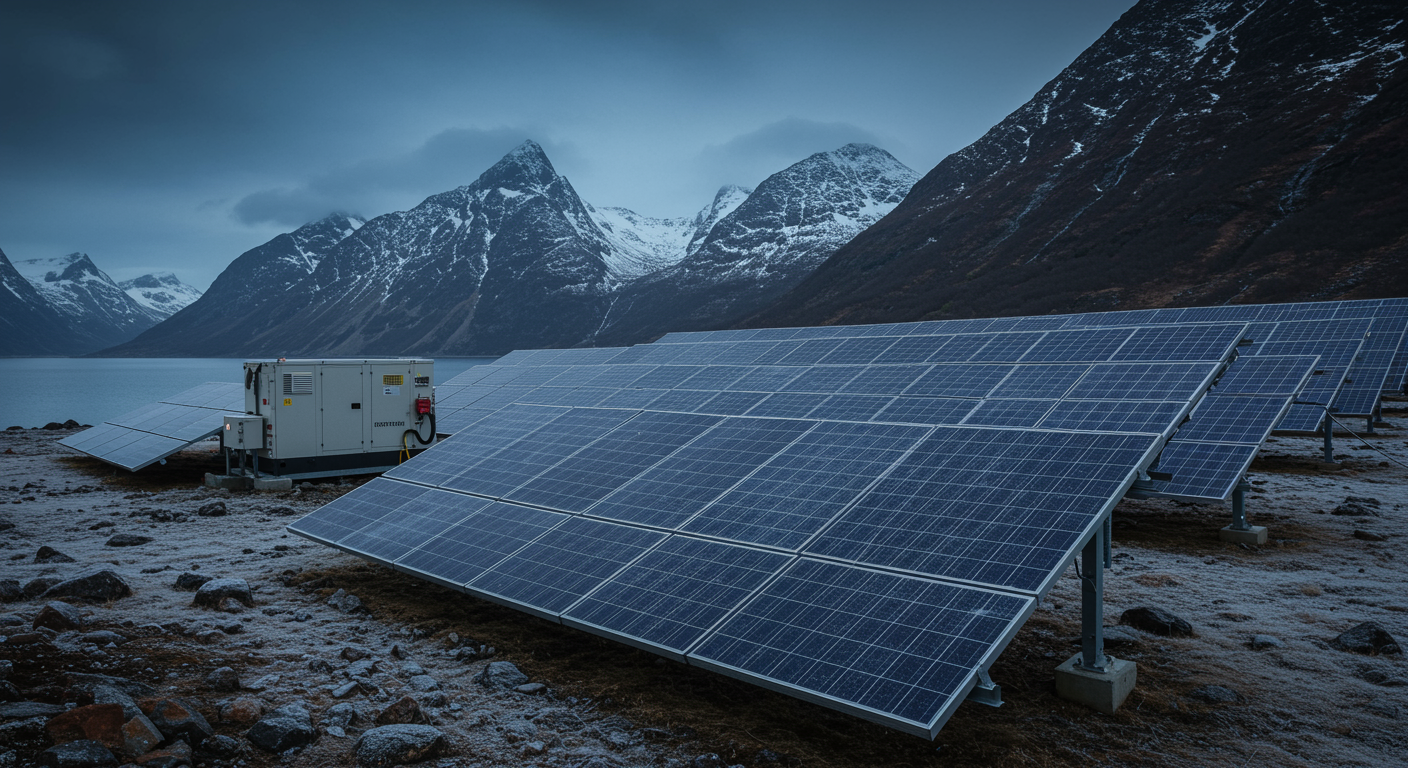
Norway continues its unique path, focusing on Enova funding for projects that push the boundaries of energy technology.
1. Enova Innovation Grants: Instead of flat subsidies, Norway uses Enova to support projects that integrate solar with other technologies (like hydrogen, heat recovery, or advanced EV infrastructure).
2. Energy Independence in Off-grid Locations: For Norway’s maritime and remote industrial sectors, Solar + Diesel Hybrid systems are seeing record adoption to combat fuel price volatility.
3. Zero-Emission Construction Sites: Government tenders now frequently require “Zero-Emission” operations, making mobile solar containers a high-demand item for Norwegian contractors.
Finland: The Nordic Leader in Large-Scale Solar
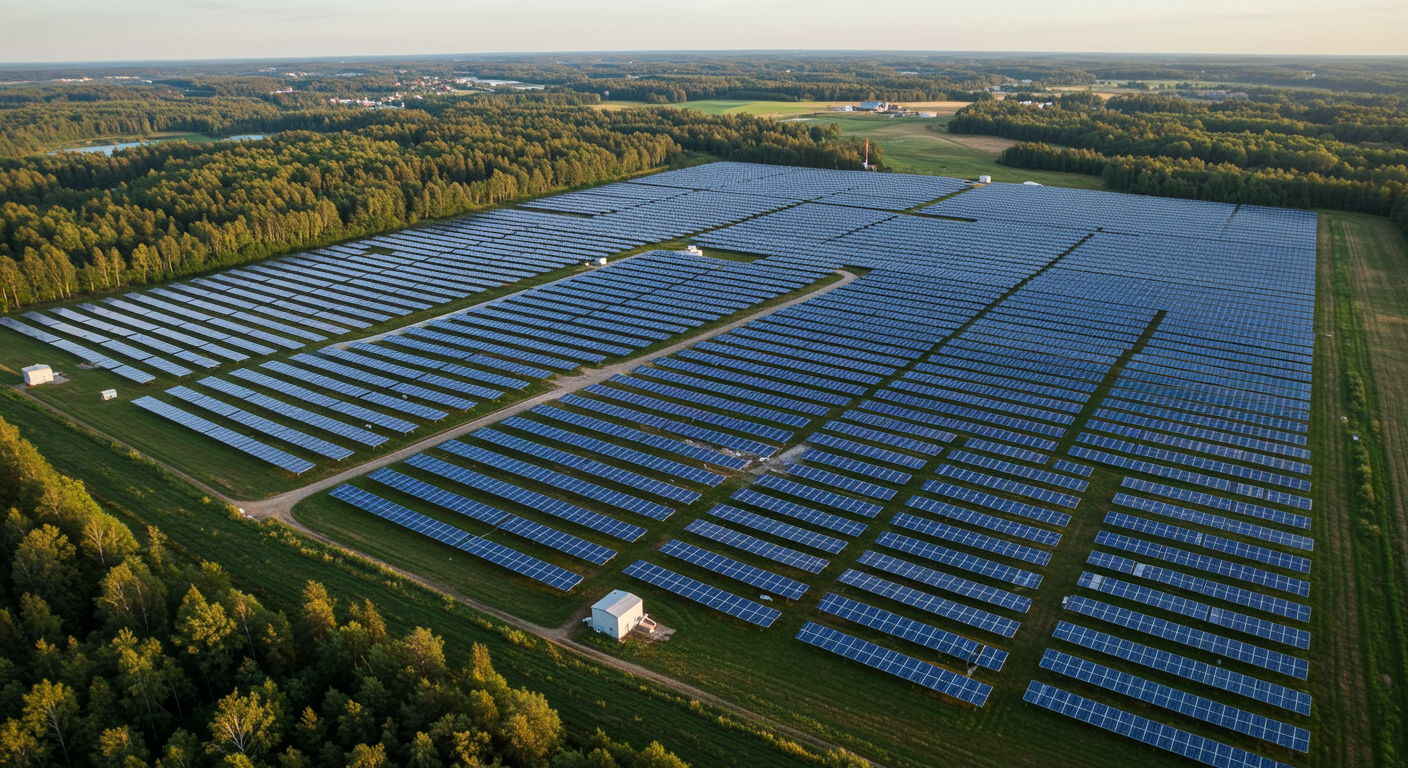
Finland has emerged as the most aggressive market for utility-scale and industrial solar in 2026.
1. RENEWFM & EU Cross-Border Funding: Finland is a primary host for the EU Renewable Energy Financing Mechanism (RENEWFM). In early 2026, new calls for proposals were launched with a total budget of €54.9 million specifically for ground-mounted PV projects in host countries like Finland.
2. Industrial Decarbonization Support: Business Finland continues to offer direct investment grants (often covering 20%–30% of costs) for projects that significantly reduce a factory’s carbon footprint.
3. High-Latitude Performance: The success of projects like the Loukkaanaro Solar Park (20 MWp) has proven that bifacial N-type modules can deliver exceptional ROI even in northern climatic conditions.
2026 Comparison Table: Nordic Solar Landscape
| Country | Primary Incentive | Best For | 2026 Trend |
| Sweden | 15% PV / 50% Battery Tax Credit | Commercial Rooftops | Focus on Self-Consumption |
| Norway | Enova Project-specific Grants | Tech Innovation / Maritime | Hybrid Systems (Solar+Diesel) |
| Finland | EU RENEWFM & National Grants | Utility-scale / Heavy Industry | Massive Capacity expansion |
Strategic Insight for B2B Buyers
The Nordic opportunity has shifted from “How much subsidy can I get?” to “How much energy can I save and store?”
If you are an EPC contractor or industrial buyer, your 2026 strategy should prioritize:
N-Type TOPCon Modules: Superior performance in low-light and cold environments.
Hybrid Solutions: Integrating solar with existing diesel generators (especially in Norway).
Storage Integration: Essential in Sweden due to the removal of export tax credits.
 Why Partner with a Specialized Supplier?
Navigating the technical requirements for Nordic projects—such as high snow-load mounting and low-temperature battery performance—requires an experienced partner.
We provide:
Industrial-Grade Solar Modules optimized for high latitudes.
LFP Battery Storage Systems (720kWh+ configurations available).
Solar + Diesel Hybrid Controllers for remote industrial sites.
 Contact our project team via WhatsApp for a detailed ROI analysis and technical pricing for your next Nordic installation.
FAQ
Is solar profitable in Sweden without the 60-öre credit?
Yes, but the focus must shift to battery storage to maximize on-site usage of generated power.
How do I apply for RENEWFM in Finland?
Applications are typically submitted through the CINEA portal during active call periods (e.g., the September 2026 deadline).
Can I use Chinese components for these projects?
While many components are globally sourced, ensure your supplier provides full certification for EU grid compliance and local safety standards.